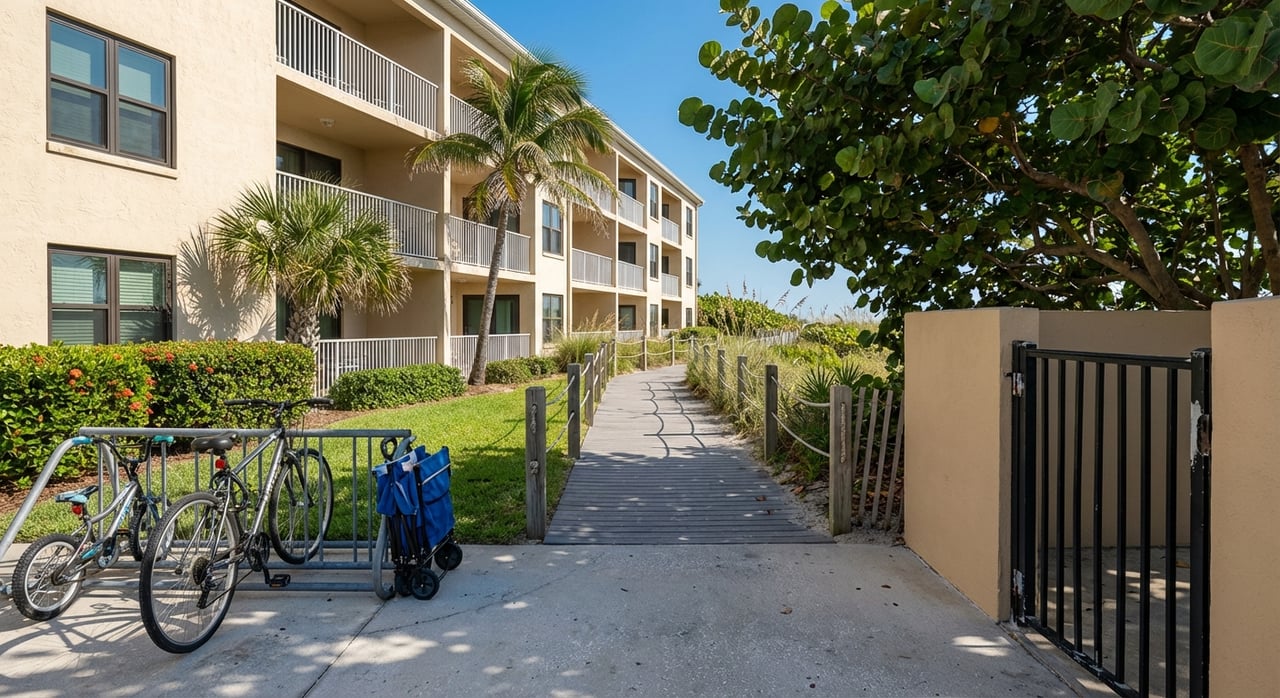
Boynton Beach Beachside Living: A Family Guide
February 19, 2026
February 19, 2026
Salt air, stroller-friendly walks, and a built-in plan for weekends on the water. If you are picturing that kind of routine for yourself or your family, Boynton Beach’s oceanfront corridor delivers it in a compact, convenient way. You want easy beach access, reliable kid spots, and simple commutes without giving up practical needs like schools and programs? This guide shows you how beachside living works day to day in Boynton Beach, what it costs, and how to choose the right pocket for your lifestyle. Let’s dive in.
When locals say “east of Federal,” they mean the neighborhoods and public spaces on the ocean side of U.S. 1, including the barrier island near Seacrest Boulevard, East Ocean Avenue, and the Boynton Inlet. You can reach guarded beaches, a popular inlet park, and small downtown blocks within minutes. Delray Beach is only a few miles away, and Boca Raton and West Palm Beach are an easy drive for work or outings. That mix creates a simple rhythm for active families who want sand, playgrounds, and quick trips to nearby cities.
Set up for families, the city’s oceanfront beach has lifeguards, a playground by the sand, restrooms, and walking paths. You can plan swims during posted lifeguard hours and count on a quick reset with shade and facilities nearby. Review current lifeguard times and beach details on the city’s page for Oceanfront Park. Weekday mornings and early evenings are usually quieter than peak weekend windows.
A short hop south, the county-run inlet park is a favorite for family swims, jetty fishing, and watching boats come and go. You will find a guarded beachfront area, picnic shelters, a playground, and kayak or paddle access with seasonal marina services. Get the latest amenities and safety notes on the county’s Ocean Inlet Park page before you go.
East-of-Federal offers several small waterfront parks with playgrounds and non-motorized launches. These are great for quick paddleboard or kayak trips on calmer water and short after-school play stops. If you want a change of scenery, a short inland drive takes you to boardwalk nature walks and birding at Green Cay, which is stroller friendly and easy to do in the morning or on cooler days.
Public lots and street parking are available in beach pockets, but they fill fast during busy season, holidays, and city events. Plan for early starts on popular weekends or switch to bikes and walking if you live nearby. Check the city’s event calendar before you go to get a sense of expected crowds and programming around the beach and downtown.
Boynton’s Town Square area blends green space, splashy community events, and the Schoolhouse Children’s Museum for indoor play. The city’s monthly First Friday at 5 series at Centennial Park brings concerts, food trucks, and kids’ activities to a family-friendly setting. Keep an eye on the city calendar for festivals and holiday events, then pair a park morning with an easy museum stop if the weather turns.
For seasonal programs, after-school activities, and camps, use the city’s Parks and Recreation page. You can browse youth leagues, pool programs, and special events that fit your calendar on the Boynton Parks and Recreation overview.
You have multiple ways to reach nearby job centers and weekend spots. By car, Downtown Delray is roughly 10 to 15 minutes in normal conditions, Boca Raton and West Palm Beach are typically 20 to 30 minutes depending on route and traffic. The community’s mean travel time to work is about 25 minutes, which provides a helpful baseline for planning school and daycare runs. For context on local commute times, see the Census QuickFacts for Boynton Beach, which report a mean travel time of about 25 minutes for residents.
If you prefer to skip the car, Tri-Rail runs along the South Florida corridor and has a station at 2800 High Ridge Road. It is useful for reverse commutes or day trips to West Palm Beach and Miami-area destinations. Check schedules and fares through the regional overview for Tri-Rail. Palm Tran operates bus routes along Federal Highway and connects beachside neighborhoods to Tri-Rail and inland services, which some families combine for car-light trips.
Public schools in Boynton Beach are part of The School District of Palm Beach County. Attendance is address based, and zones can change, so your best first step is to confirm your address using the district’s Find My School tool. Palm Beach County School District has a lot of schools that offer Choice Programs and allow for application if you live outside of the zoned areas. This link Choice Schools will give you more information!
For a feel of daily routines, try timing school pickup or drop-off near your prospective neighborhood to see traffic patterns. Many families also sample city rec leagues, museum programs, or library story times to preview after-school and weekend rhythms. The Parks and Recreation overview is a helpful hub for current youth offerings.
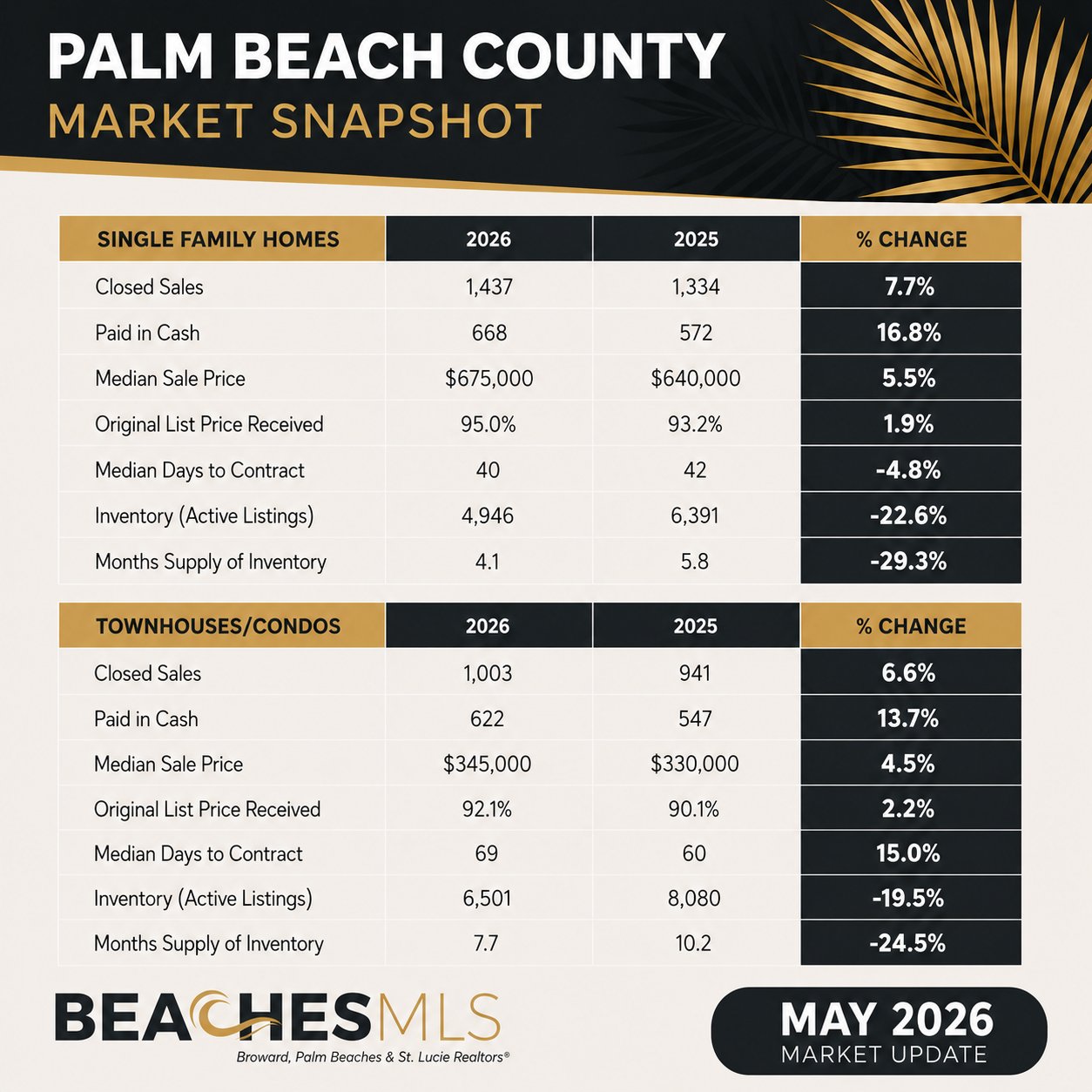
You will find a mix of condos, townhomes, and single-family homes east of Federal Hwy. Townhome values have recently trended in the three hundred thousands, while oceanfront and immediate beachside properties, especially condos with ocean views, often sell at a premium. Pricing and demand can vary block by block, so a neighborhood-level look is key.
On the coast, plan for higher insurance and maintenance considerations. When buying east of Federal, homeowners often carry flood insurance due to increased exposure near the ocean. State guidance and industry summaries show that average flood premiums vary widely by city and FEMA zone, and coastal properties often face higher costs than many inland areas. For a practical overview of flood coverage in Florida, review this summary of Florida flood insurance basics, then request building-specific quotes during your due diligence. (If you are in a coastal zone, you can often separate the wind policy and save $$).
If you are considering a condo, make sure you understand Florida’s updated safety and reserve rules. Following the Surfside tragedy, the state implemented milestone inspections and structural integrity reserve studies for many older buildings. These rules have led to higher association reserves and, in some cases, special assessments. A helpful primer on assessments and reserves is available here: condo and HOA assessments overview. Ask for recent inspection reports, budget documents, and reserve studies for any building you are evaluating.
Finally, keep long-term planning in mind. Regional climate guidance projects multiple inches to feet of sea-level rise across mid-century horizons, and local governments use these projections for infrastructure and coastal design. You can read the regionally unified projection from the Southeast Florida Climate Compact to understand the context for resiliency investments and coastal planning.
Use this quick list to compare your options and avoid surprises.
If you want a step-by-step plan for comparing oceanfront condos to nearby single-family options, I can help you map schools, test commutes, and price true monthly costs with insurance and association fees. Let’s build the right search and go see how the neighborhood feels at your family’s pace. Reach out to Abbey Adair to start your Boynton Beach tour today.
Stay up to date on the latest real estate trends.

Market is Active
Embarking on a real estate journey can be daunting, but you don't have to do it alone. With my unique blend of educational insight and real estate expertise, I'm here to guide you through every step, ensuring a smooth, informative, and successful experience. Ready to get started? Contact me today, and let's make your real estate dreams a reality.